
Fish finders have become invaluable tools for modern anglers. These devices enhance fishing efficiency by providing essential insights into underwater environments.
They allow users to locate fish more accurately and understand complex structures beneath the surface. While many may question the necessity of such technology, the advantages are clear.
As anglers seek to improve their success rates, exploring the specifics of these devices reveals even more compelling reasons to contemplate this investment.
Fish finders are essential tools for anglers seeking to enhance their fishing experience. These devices utilize sonar technology to detect underwater structures and fish locations, providing real-time data that can greatly improve fishing success. A typical fish finder consists of a transducer, which emits sound waves into the water, and a display unit that interprets the returning echoes.
When sound waves bounce off objects, such as fish or the bottom of a lake, the device translates these signals into visual representations on the screen. Fish finders come in various models, including portable units for small boats and integrated systems for larger vessels.
Features may include GPS capabilities, mapping functions, and depth alarms, allowing anglers to navigate and locate their favorite fishing spots more effectively. Understanding the basic components and functionality of fish finders equips users to maximize their potential on the water, ultimately leading to a more rewarding fishing experience.
Accurate targeting is a game-changer for anglers seeking to maximize their catch. Fish finders enhance this precision by providing detailed information about underwater structures and fish locations.
With advanced sonar technology, these devices can distinguish between different species and identify schools of fish, allowing anglers to focus their efforts where the likelihood of a successful catch is highest. This targeted approach not only saves time but also increases the chances of a bountiful outing.
By eliminating guesswork, fish finders empower anglers to make informed decisions about bait, technique, and fishing spots. Ultimately, enhanced targeting accuracy through fish finders transforms the fishing experience, making it more efficient and rewarding for enthusiasts of all skill levels.
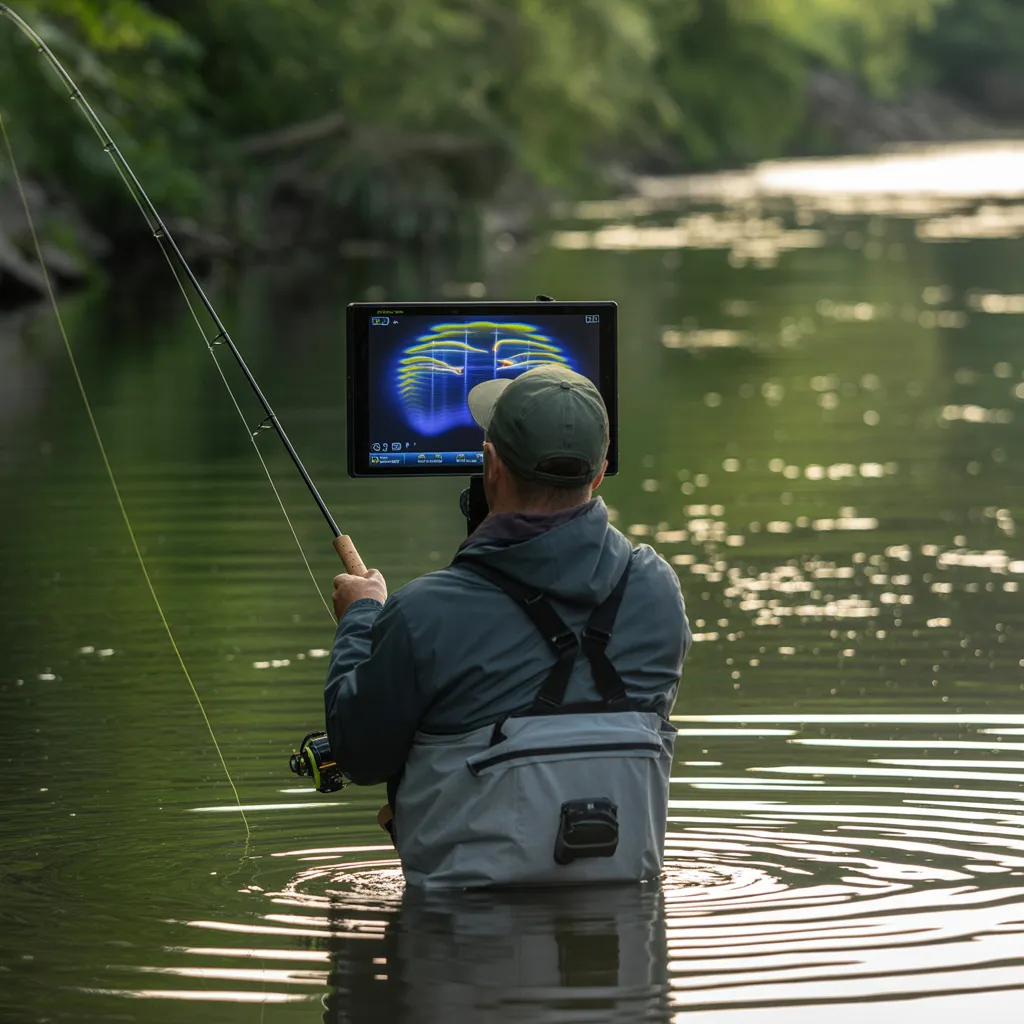
The ability to map underwater depths in real-time greatly enhances an angler's experience. Fish finders equipped with this technology provide immediate feedback on depth variations, allowing anglers to identify underwater structures such as drop-offs, ledges, and submerged vegetation.
This information is essential for understanding fish behavior and habitat preferences, as different species tend to favor specific depth ranges. By pinpointing these areas, anglers can optimize their fishing strategies, targeting spots where fish are more likely to congregate.
Real-time depth mapping also aids in traversing unfamiliar waters, reducing the risk of hazards and ensuring a safer fishing experience. Overall, this feature empowers anglers with critical data, making their outings more productive and enjoyable.
Maximizing fishing efficiency becomes achievable with the use of advanced fish finders. These devices enable anglers to quickly identify fish locations, reducing time spent searching and increasing the likelihood of a successful catch.
By providing detailed images of underwater structures, temperature variations, and fish schools, fish finders facilitate informed decision-making about where to cast lines. This technology also helps anglers adapt their strategies in real-time, enhancing the overall fishing experience.
Additionally, the ability to locate fish at varying depths allows for the exploration of diverse habitats, ensuring a broader range of fishing opportunities. Ultimately, the integration of fish finders into fishing practices transforms traditional methods, making them more effective and rewarding for both novice and experienced anglers alike.
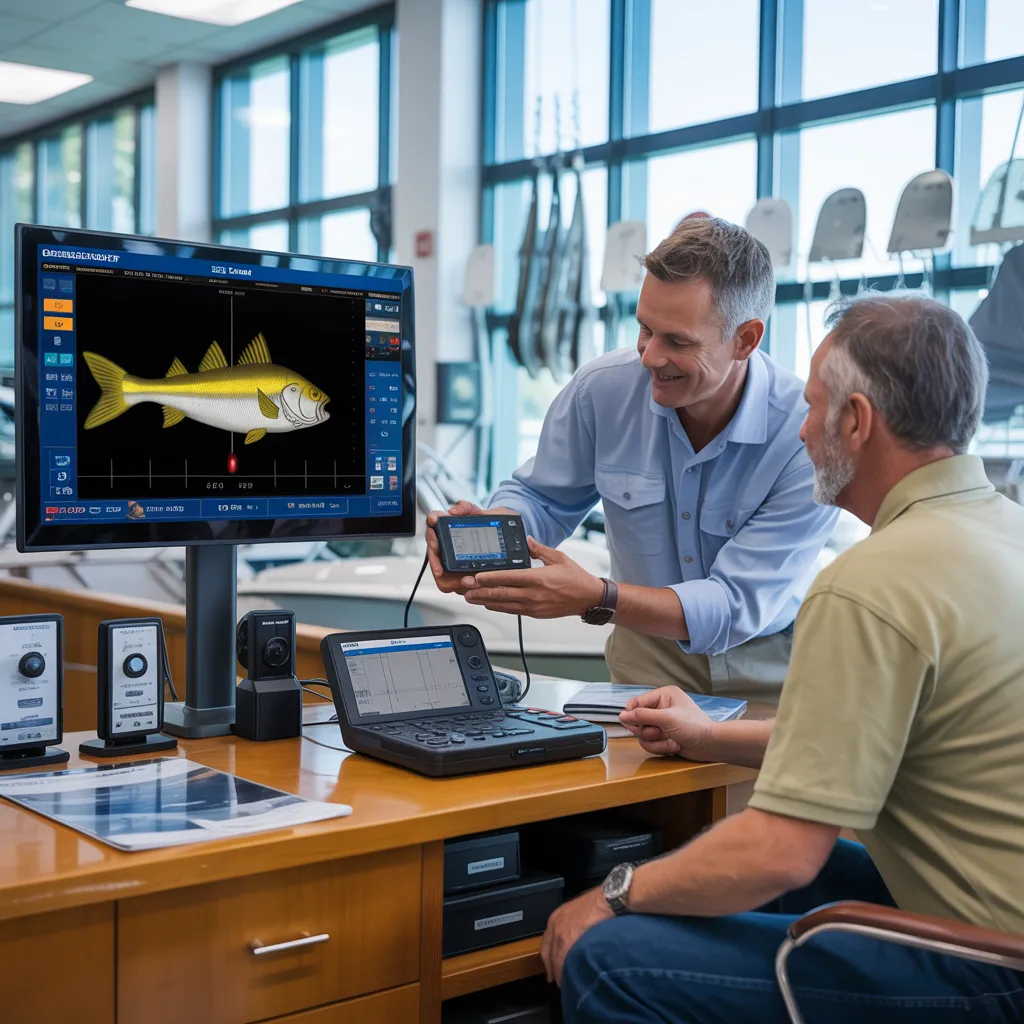
Many anglers rely on fish finders to gain insights into underwater structures, greatly enhancing their fishing experience. These devices utilize sonar technology to create detailed images of the underwater environment. By identifying features such as rocks, vegetation, and submerged debris, fish finders help anglers pinpoint locations where fish are likely to congregate.
Understanding underwater structures is essential, as different species favor specific habitats. For instance, bass often hide near rocky outcrops or submerged trees, while panfish may be found around vegetation. Fish finders also reveal depth changes and bottom composition, allowing anglers to adjust their strategies according to the environment.
Furthermore, recognizing these structures enables anglers to optimize their bait presentations and fishing techniques, increasing the likelihood of a successful catch. Ultimately, the insights gained from fish finders transform the fishing experience, providing a strategic advantage in locating fish and traversing diverse underwater landscapes.
A fish finder's display quality and size play a pivotal role in its overall effectiveness. High-resolution screens enhance visibility, allowing anglers to discern subtle details such as fish species and underwater structures.
Larger displays often provide a broader view of the aquatic environment, which can be vital for spotting schools of fish or maneuvering through complex waterways. Additionally, brightness and contrast are essential features; a well-lit display guarantees readability in various lighting conditions, from bright sunlight to low light.
Touchscreen interfaces can also improve user interaction, making it easier to adjust settings quickly. Ultimately, investing in a fish finder with superior display quality and size can greatly enhance the fishing experience, leading to more successful outings on the water.
Fish finders influence fishing regulations by increasing catch efficiency, prompting authorities to impose limits on usage or specify zones. This guarantees sustainable practices, balancing technological advantages with conservation efforts to protect fish populations and habitats.
Regular maintenance of a fish finder includes cleaning the transducer, checking connections, updating software, and storing the unit in a dry, cool place during off-seasons. These practices guarantee peak performance year-round for successful fishing expeditions.
Weather conditions greatly influence fish behavior seasonally. Temperature changes affect metabolism, while barometric pressure impacts feeding patterns. Additionally, wind, precipitation, and light levels alter habitat preferences, leading to variations in species activity throughout the year.