DIY pest control offers practical solutions for maintaining a pest-free environment. By understanding common household pests, one can effectively implement strategies that combine cleanliness, natural repellents, and physical barriers.
This approach not only safeguards living spaces but also promotes eco-friendly practices.
As various methods come into play, the key to long-term success lies in consistent application and awareness of one's surroundings. What simple adjustments might lead to a more harmonious coexistence with nature?
Household pests are unwelcome intruders that can disrupt the harmony of any home. These nuisances include ants, cockroaches, rodents, and termites, each presenting unique challenges. Ants often invade kitchens in search of food, while cockroaches thrive in dark, damp areas.
Rodents, such as mice and rats, can cause structural damage and pose health risks. Termites silently munch on wood, leading to costly repairs.
Understanding these common pests is essential for effective control. Homeowners must recognize signs of infestation early to implement appropriate strategies, ensuring their living space remains comfortable and safe from these persistent invaders.
Many homeowners seek effective ways to deter pests without resorting to harsh chemicals. Natural repellents offer a safe alternative, utilizing ingredients like essential oils and herbs. For instance, peppermint oil is known to repel spiders and mice, while citronella effectively keeps mosquitoes at bay.
Additionally, a mixture of vinegar and water can deter ants and other insects. Diatomaceous earth serves as a natural insecticide, damaging the exoskeletons of crawling pests.
By incorporating these natural solutions, homeowners can create an environment less inviting to unwanted guests while maintaining a healthier living space for their families and pets.

Effective traps and barriers can considerably enhance insect control in any environment. Various traps, such as sticky boards, bait traps, and pheromone traps, effectively capture insects, reducing their populations. Barriers, including screens on windows and doors, caulking gaps, and physical barriers like insect mesh, prevent insects from entering spaces.
Additionally, utilizing natural repellents can further deter pests from approaching traps. Proper placement of traps and barriers is essential for maximizing their effectiveness, requiring strategic positioning in high-traffic areas.
By combining these methods, individuals can create an integrated pest management approach that minimizes insect presence and promotes a healthier living environment.
While maintaining a clean space may seem like a basic practice, it plays an essential role in preventing pest infestations. Regular cleaning helps eliminate food sources and breeding grounds for pests like cockroaches, ants, and rodents. Clutter should be minimized, as it provides hiding spots for unwanted guests.
Proper waste management, including sealing garbage and recycling, further reduces attraction. Additionally, spills and crumbs should be promptly cleaned to discourage pests.
By establishing a routine of cleanliness and organization, individuals can create an inhospitable environment for pests, markedly decreasing the likelihood of infestations and promoting a healthier living space.

Creating a clean and organized indoor space lays the groundwork for maintaining a pest-free environment, but attention must also be given to the outdoor areas, particularly gardens. Planting certain herbs, such as basil, mint, and rosemary, can naturally repel pests like aphids and mosquitoes.
Additionally, incorporating flowers like marigolds can deter unwanted insects due to their strong scent. Regularly removing debris and weeds minimizes hiding spots for pests.
Installing barriers, such as row covers or fencing, protects vulnerable plants. Watering early in the day reduces moisture levels that attract pests, fostering a healthier, more resilient garden environment.
Eco-friendly pest management offers a sustainable approach to controlling unwanted insects without harming the environment. Methods such as introducing natural predators, like ladybugs for aphid control, can effectively reduce pest populations.
Additionally, using essential oils, such as peppermint or tea tree oil, can deter insects without toxic chemicals. Homemade traps, like vinegar solutions for fruit flies, serve as non-toxic alternatives. Diatomaceous earth provides a natural barrier against crawling pests.
Moreover, maintaining a healthy ecosystem through companion planting can minimize infestations. By adopting these eco-friendly strategies, individuals can protect their spaces while promoting environmental health and biodiversity.
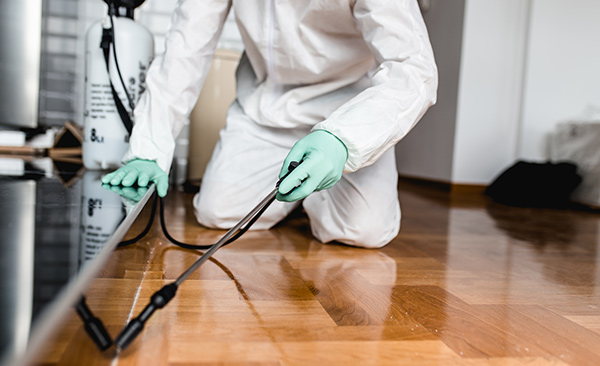
Yes, eco-friendly pest control options are available. These methods prioritize the use of natural ingredients and techniques that minimize harm to the environment and human health. Common approaches include the use of essential oils, biological control agents, and integrated pest management practices. Many pest control companies now offer these greener alternatives, allowing homeowners to manage infestations effectively while being mindful of their ecological footprint. This growing trend reflects an increasing awareness of sustainable practices in pest management.
Pets can both attract and repel pests. Their presence may draw in insects like fleas and ticks, which thrive in environments with warm-blooded animals. Additionally, pet food and waste can serve as a food source for pests. Conversely, certain pets, such as cats, may help control rodent populations. Proper care and hygiene, including regular grooming and cleaning, can mitigate the attraction of pests while enhancing the protective benefits pets may offer.
It is generally recommended to schedule pest control services every three months for ideal results. However, the frequency may vary based on factors such as the type of pests, the severity of the infestation, and the local environment. In areas with higher pest activity, monthly treatments might be necessary. Regular inspections can help determine the best schedule, ensuring effective prevention and control while maintaining a healthy living space for residents.