
Effective bed bug treatment requires a strategic approach. Understanding their behavior and signs of infestation is essential. Many homeowners struggle with DIY methods, often leading to frustration.
Professional pest control may be necessary for severe cases. Preventive measures can also play an important role in avoiding future problems.
To navigate this complex issue, one must consider various strategies and tools. What steps should be taken to guarantee complete eradication?
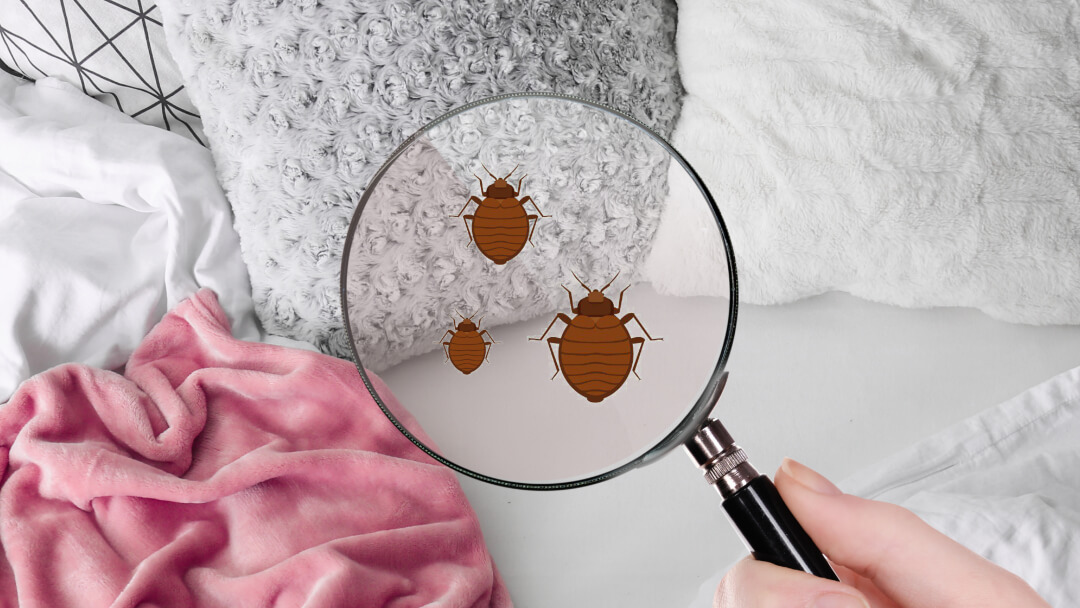
Bed bugs are small, parasitic insects that primarily feed on the blood of humans and animals. These nocturnal creatures are typically reddish-brown, flat, and oval-shaped, making them adept at hiding in cracks and crevices.
Adult bed bugs can grow up to 5 mm in length, resembling an apple seed. They are known for their resilience, capable of surviving months without a meal. Their behavior includes seeking warmth and proximity to hosts during nighttime hours.
Understanding their life cycle, which includes eggs, nymphs, and adults, is essential for effective treatment and prevention strategies against these troublesome pests.
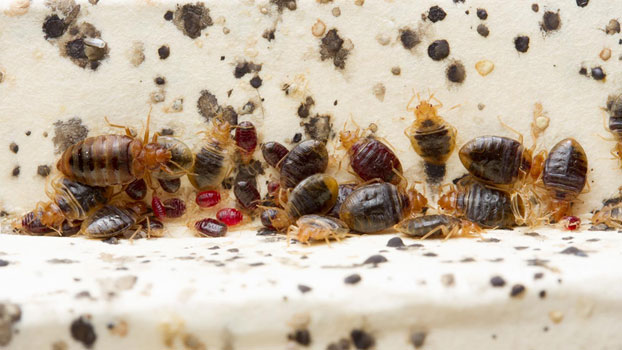
Identifying signs of bed bug infestation is essential for prompt action and prevention of further spread. Homeowners should look for small, reddish-brown bugs, often hiding in seams of mattresses, bed frames, and furniture.
Dark spots, which are bed bug excrement, may appear on sheets or walls. Additionally, shed skins and eggs, resembling tiny white grains, can indicate a growing problem.
Unexplained bites, often in clusters or lines, may appear on the skin. Regular inspections and vigilance are vital, as early detection can greatly improve the chances of successful elimination before the infestation worsens.
A variety of effective DIY methods can be employed to tackle a bed bug infestation in the home.
Common approaches include vacuuming, washing linens, and using heat treatments.
These methods can considerably reduce bed bug populations when applied consistently.
How can homeowners determine when it's time to escalate their efforts against a bed bug infestation? If DIY methods fail to yield results after several weeks, it may be time to evaluate professional pest control.
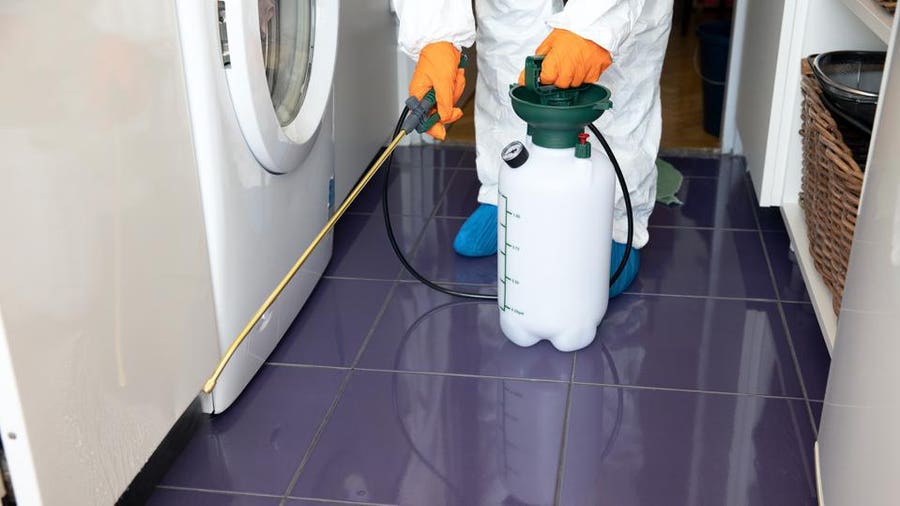
Signs indicating the need for expert intervention include an increase in bed bug sightings, visible bites on occupants, or evidence of larger infestations spreading throughout the home. Professionals possess specialized knowledge, advanced equipment, and effective treatments not available to the average homeowner.
By appraising the severity of the situation, homeowners can make informed decisions about calling in the experts to eliminate these persistent pests.
What steps can homeowners take to guarantee their living spaces remain free from bed bugs?
Regular inspections, vacuuming, and proper storage are essential. Homeowners should also be vigilant when traveling, checking hotel rooms for signs of bed bugs.
Implementing protective covers on mattresses and box springs can create a barrier against infestations.
After implementing preventive measures, homeowners may still find themselves facing the formidable task of recovery following a bed bug infestation.
It is essential to thoroughly clean and vacuum all affected areas, including furniture and bedding, to eliminate any remaining bugs or eggs. Washing linens and clothing in hot water further aids in eradication. Additionally, sealing cracks and crevices in walls and furniture can prevent re-infestation.
Homeowners should also consider consulting pest control professionals for ongoing monitoring and advice. Finally, keeping a detailed record of treatments can help in understanding the infestation's pattern and preventing future occurrences.
Bed bugs do not transmit diseases to humans. Research indicates that while these pests can cause discomfort through bites, which may lead to secondary infections or allergic reactions, they are not known carriers of infectious pathogens. The primary concern with bed bugs lies in their ability to disrupt sleep and cause psychological distress. Consequently, while they are a nuisance, they do not pose a direct health risk with regard to disease transmission.
Bed bugs are generally not harmful to pets, as they prefer human blood. However, if pets are infested, they can experience discomfort from bites, resulting in scratching and potential skin infections. Pets may also inadvertently carry bed bugs to different areas, perpetuating the infestation. While bed bugs do not transmit diseases to pets, it is still important to address any infestations promptly to guarantee the well-being of both pets and humans in the household.
Natural remedies for bed bug infestations include diatomaceous earth, essential oils like lavender and tea tree oil, and the use of heat treatments. Diatomaceous earth works by damaging the exoskeletons of bed bugs, while essential oils can repel or kill them. Heat treatments involve washing infested items in hot water and using steam on surfaces. However, the effectiveness of these methods can vary, and severe infestations may require professional intervention for complete eradication.