Innovative rooflight designs are reshaping architectural landscapes. Recent trends highlight a focus on energy efficiency and smart technology.
Features like expansive windows and automated skylights enhance natural light while improving user comfort. The commitment to sustainable materials reflects a growing awareness of environmental responsibility.
As these designs evolve, they invite a closer examination of their potential impact on urban living. What unique solutions are emerging in this dynamic field?
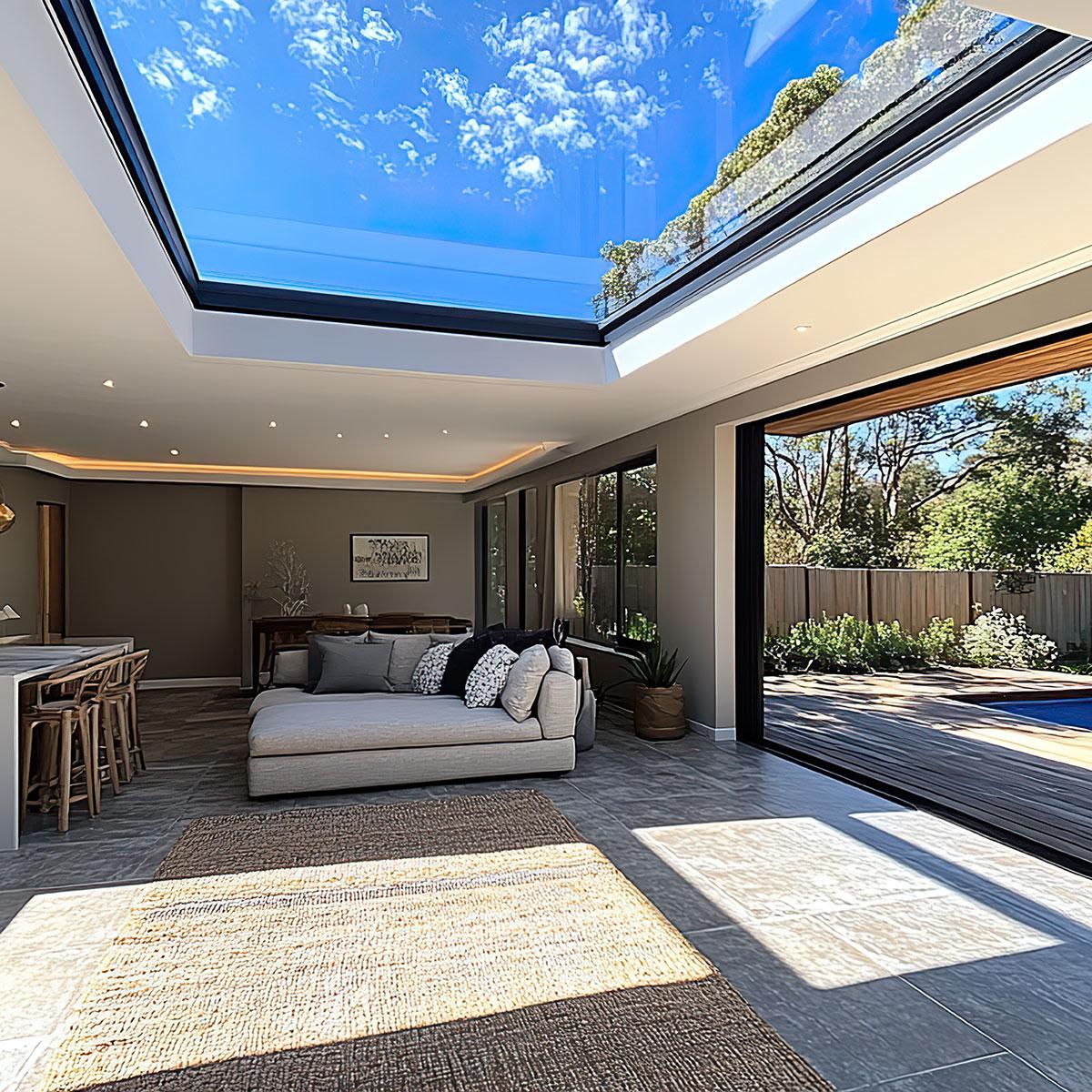
As homeowners seek to enhance their living spaces, maximizing natural light with large apertures emerges as a popular design trend. This approach primarily involves the use of expansive windows, glass doors, and strategically placed skylights, allowing sunlight to flood interiors.
The incorporation of large apertures not only brightens rooms but also fosters a sense of openness and connection to the outdoors, making spaces feel larger and more inviting. Architects and designers increasingly favor minimalist frames and innovative glazing technologies, which enhance thermal performance and reduce glare. In contemporary homes, large openings can be seamlessly integrated into architectural styles, from modern to traditional, while promoting energy efficiency.
Additionally, the use of large apertures often encourages the inclusion of outdoor living areas, blurring the lines between indoor and outdoor spaces. Overall, the trend reflects a growing appreciation for natural light as an essential element in creating comfortable and aesthetically pleasing environments.
With advancements in technology, smart skylights are becoming increasingly popular in modern architecture, offering homeowners enhanced control over natural light and ventilation. These innovative designs often feature automated mechanisms that adjust based on environmental conditions, such as sunlight intensity and indoor temperature.
Homeowners can customize settings through smartphone applications or integrated home automation systems, allowing for real-time adjustments and scheduling. Additionally, many smart skylights are equipped with sensors that detect rain or high winds, automatically closing to protect the interior.
This integration of automation not only enhances convenience but also promotes a seamless connection between indoor and outdoor spaces. As consumer interest in smart home technology grows, skylights with advanced control features are poised to become a staple in residential design.
Smart skylights not only enhance convenience through automation but also contribute considerably to energy efficiency in residential spaces. These innovative designs utilize advanced sensors to monitor sunlight and temperature, adjusting their opacity and ventilation accordingly.
By optimizing natural light, smart skylights reduce reliance on artificial lighting, leading to significant energy savings. Additionally, they can help regulate indoor temperatures, minimizing the need for heating and cooling systems. This dynamic management of light and air flow not only creates a more comfortable living environment but also decreases energy consumption.
As homeowners become increasingly aware of sustainability, the demand for energy-efficient solutions like smart skylights continues to rise, making them an essential trend in modern architecture.
As homeowners increasingly seek integrated solutions for their living spaces, the rise of smart skylights has become a notable trend in modern home design. These innovative features seamlessly connect to home automation systems, allowing users to control natural light and ventilation with ease.
Equipped with sensors, smart skylights can adjust automatically based on weather conditions, optimizing energy efficiency and enhancing indoor comfort. Integration with mobile applications enables remote management, providing homeowners with the flexibility to open or close skylights from anywhere.
Additionally, compatibility with other smart home devices, such as lighting and heating systems, promotes an overall harmonious living environment. As technology advances, the demand for smart skylights is expected to grow, reflecting a shift towards more intelligent and responsive home design.
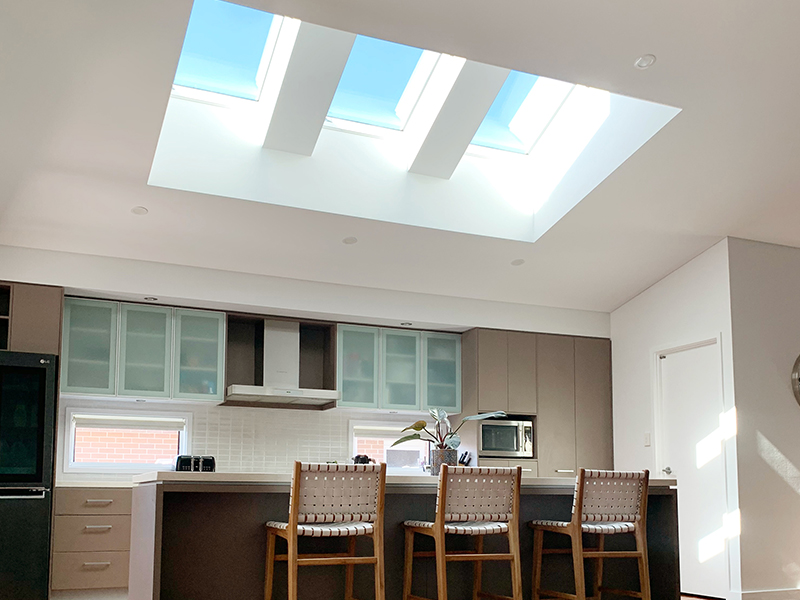
While the demand for rooflight designs continues to grow, the emphasis on sustainable materials and eco-friendly designs has become increasingly paramount. Architects and builders are increasingly opting for materials that minimize environmental impact, such as recycled glass and sustainably sourced timber.
These choices not only enhance the aesthetic appeal of rooflights but also contribute to energy efficiency and reduced carbon footprints. Furthermore, innovations in manufacturing processes are leading to the development of materials that are both durable and eco-friendly. For instance, solar-integrated rooflights provide natural lighting while harnessing renewable energy, considerably reducing reliance on artificial lighting.
Additionally, the incorporation of green roofing systems with rooflights promotes biodiversity and aids in stormwater management. This shift towards sustainability reflects a growing awareness among consumers and industry professionals alike, as they prioritize designs that align with environmental stewardship and promote healthier living spaces.
How can customizable rooflight solutions transform a space? These innovative designs allow for tailored installations that cater to specific architectural needs and personal preferences. By integrating customizable rooflights, homeowners and designers can enhance natural light, ventilation, and aesthetic appeal within various environments. Options such as adjustable sizes, shapes, and glazing types enable users to create unique lighting effects and optimize energy efficiency.
Furthermore, customizable solutions provide flexibility in addressing different building requirements, from residential homes to commercial spaces. This adaptability guarantees that each installation aligns with the overall design vision while offering practical benefits. For instance, incorporating smart technology into rooflights can enhance user control over natural lighting, promoting sustainability and reducing reliance on electric lighting.
In essence, customizable rooflight solutions not only elevate the functionality of a space but also contribute to its distinctive character, making them an increasingly popular choice in contemporary architecture.
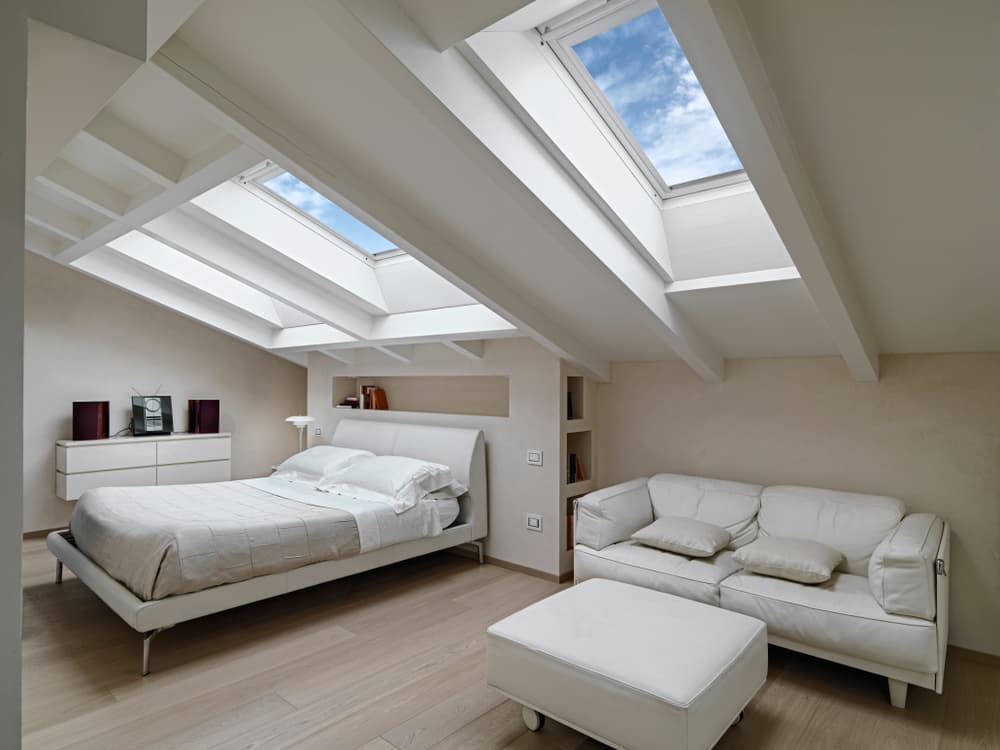
Yes, rooflights can greatly reduce the need for artificial lighting. By allowing natural light to enter a space, they enhance illumination during daylight hours, leading to decreased reliance on electric lighting and promoting energy efficiency.
Rooflights generally require minimal maintenance after installation. Regular cleaning of the glass and checking seals for damage can help guarantee peak performance. Homeowners should also inspect frames and fittings periodically to maintain their integrity.
Local regulations for rooflight installations vary considerably by location. It is crucial for homeowners to consult their local building authority to guarantee compliance with zoning laws, safety standards, and any required permits before proceeding with installation.